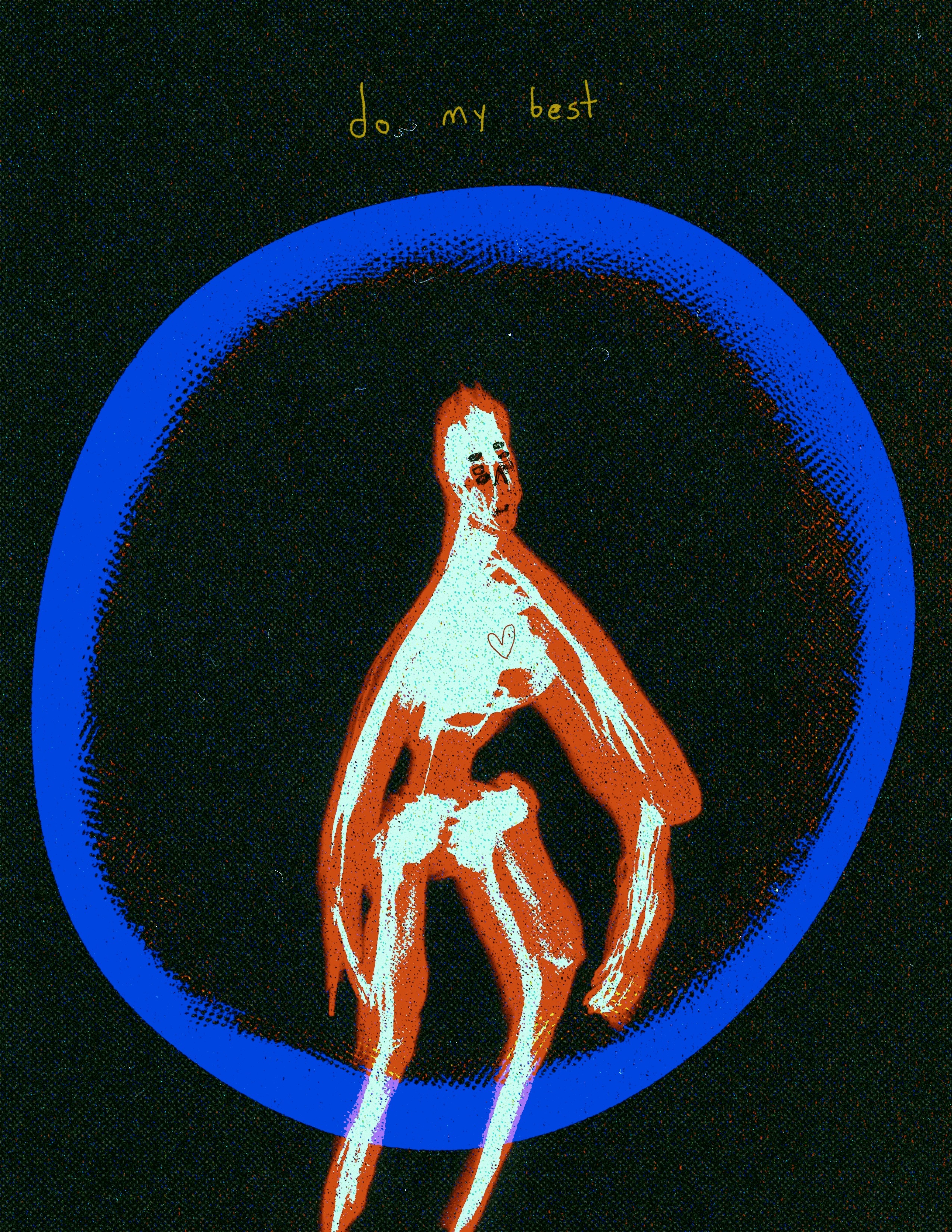
a record about distance, memory, and the little things.
One Hundred Billion Points of Light started as a folder called LP2.
It wasn't Valley Taylor's second album. By then I'd already made six or seven records in one form or another. LP2 was more of a designation I'd given myself. Lifetime of Unending Joy had become an important creative and personal checkpoint for me, and I wanted to deliberately make the record that came after it.
There were probably 25 demos at one point. Most began as iPhone recordings: me singing with a guitar while I was writing, or singing into my phone during a commute because some melody had appeared in my head and I needed to get it set in stone before it disappeared. Eventually I'd bring those ideas to my computer, build drums and bass around them, and start recording proper vocals and acoustic guitar in my room.
The eight songs that survived weren't necessarily the eight best songs. Some of the material I left behind was probably more concise, better written and easier to understand. These were just the songs I loved the most.
That distinction ended up guiding the production too. I produced and mixed the album myself, and there were songs I knew I could edit harder, embellish more or polish into something more immediately palatable. Sometimes I deliberately chose not to. I didn't want to add shine at the expense of whatever genuine emotion had survived from the demo.
At the same time, everything surrounding those performances became increasingly complicated.
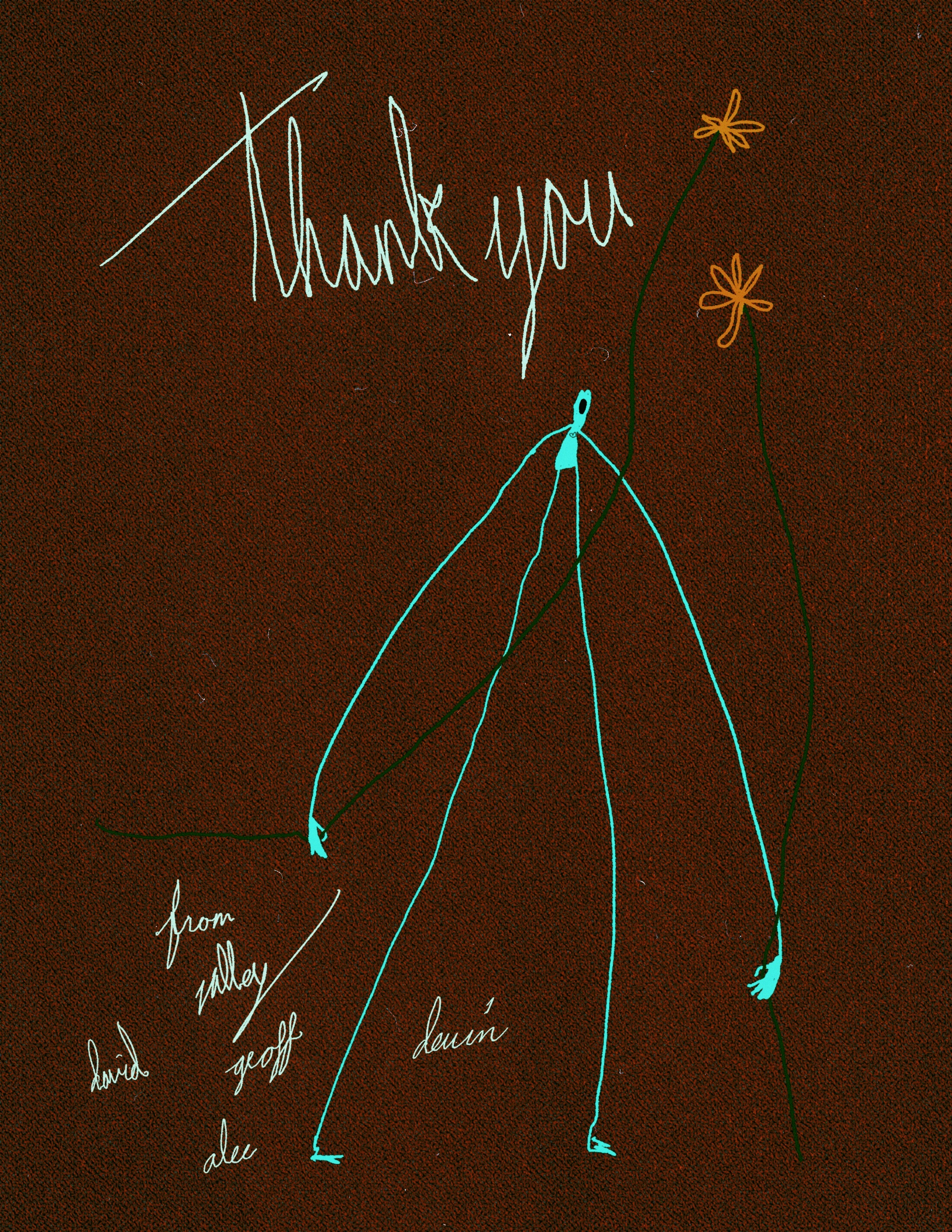
I'd send songs to Geoff Nelson and let him sit with them until he came back with guitar parts. Then I'd take his stems, re-amp them, blend tones, process them and sometimes chop his leads into entirely new parts and loops. David Hollenbeck sent drum-machine and programmed material that gave me another thing to pull apart and experiment with.
Somewhere in the middle of all of this, I moved from Winters to El Cerrito after taking a promotion that moved my job from Sacramento to San Francisco. I went from a house in a hot, sunny suburban environment to an apartment in a blue-grey coastal city where I suddenly had neighbors and couldn't blast music whenever I wanted.
But Devin Zamora was suddenly my neighbor too.
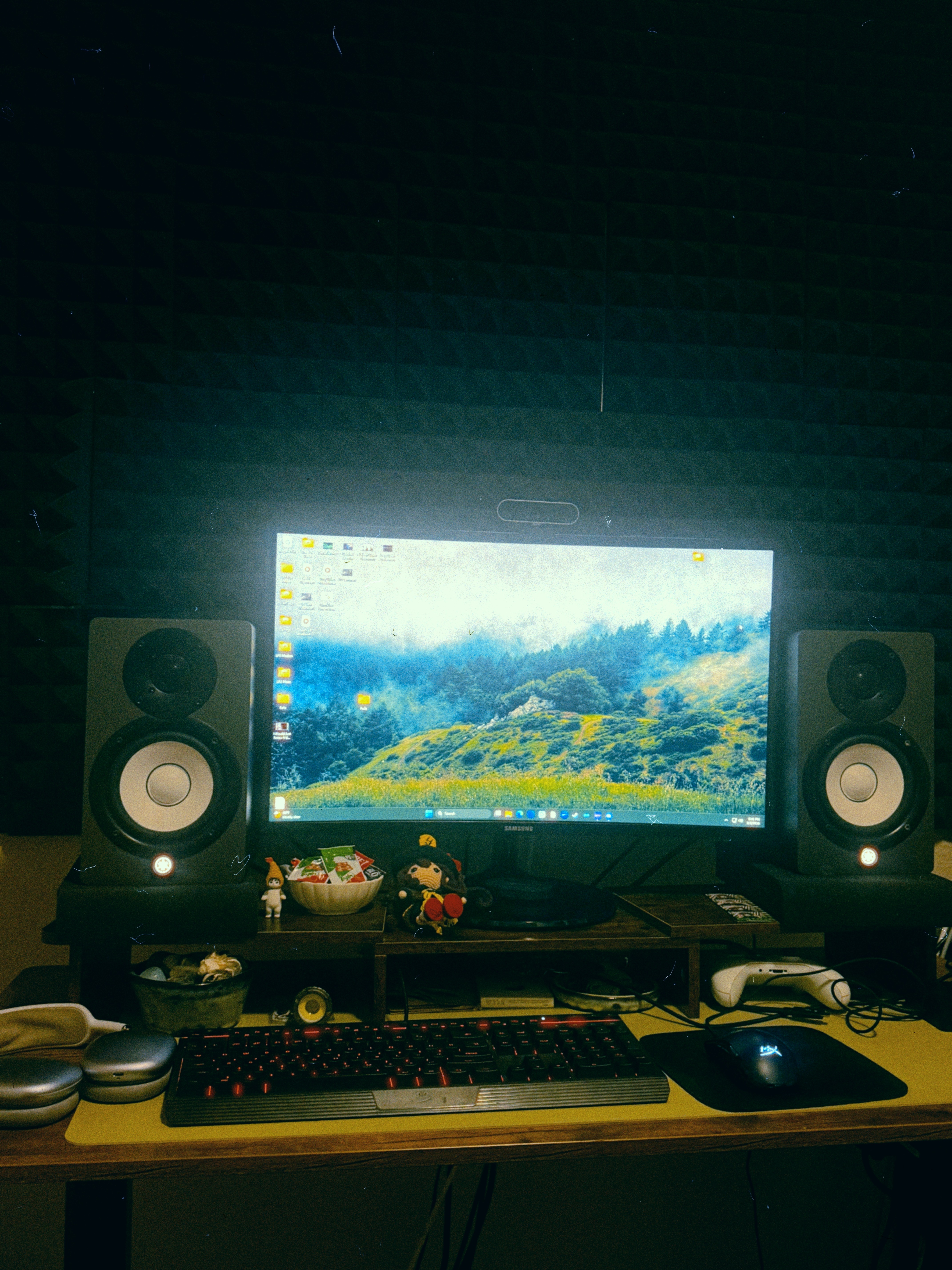
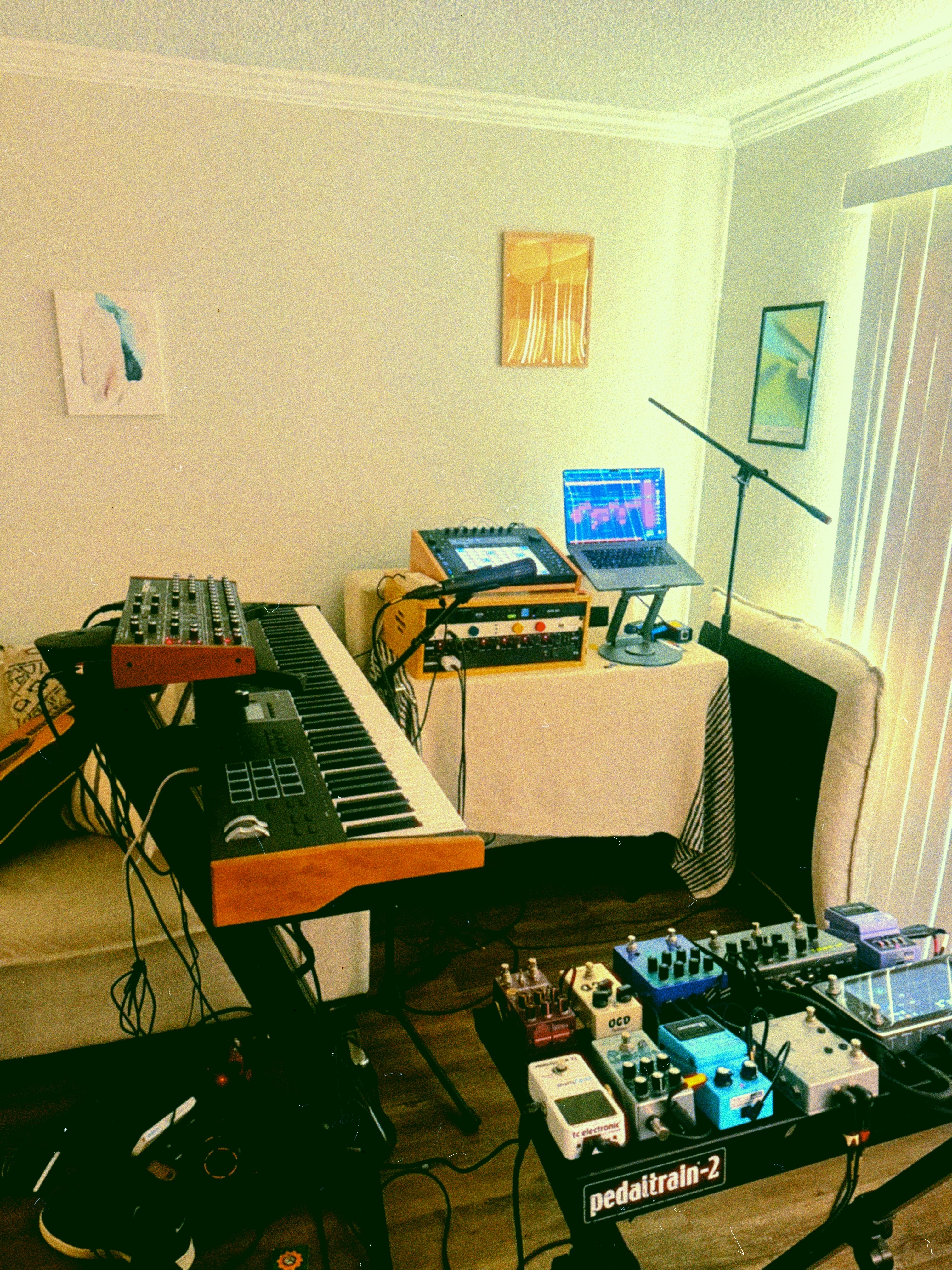
When we recorded our first piano session, I'd barely moved in. There wasn't any furniture in my home studio besides my desk, so Devin and I stood shoulder-to-shoulder at a sit/stand desk in an otherwise empty room while we tracked. By the second session I'd bought an IKEA couch, which was a significant improvement.
Looking back, I wonder how much that physical move changed the record.
I'd originally imagined LP2 as an almost straightforward garage-band album—something that could naturally disappear into the background of some long-running television show. Instead it became this ultra-technical, overly textured piece of digital maximalism. Somewhere along the way the album seemed to eat the original idea and mutate.
By the time I finished mixing it, I didn't have enough distance left to master it myself. I handed the record to my friend Alec Beretz, who became the final set of outside ears on something I'd spent so long pulling apart and putting back together.
The title came from another kind of repetition.
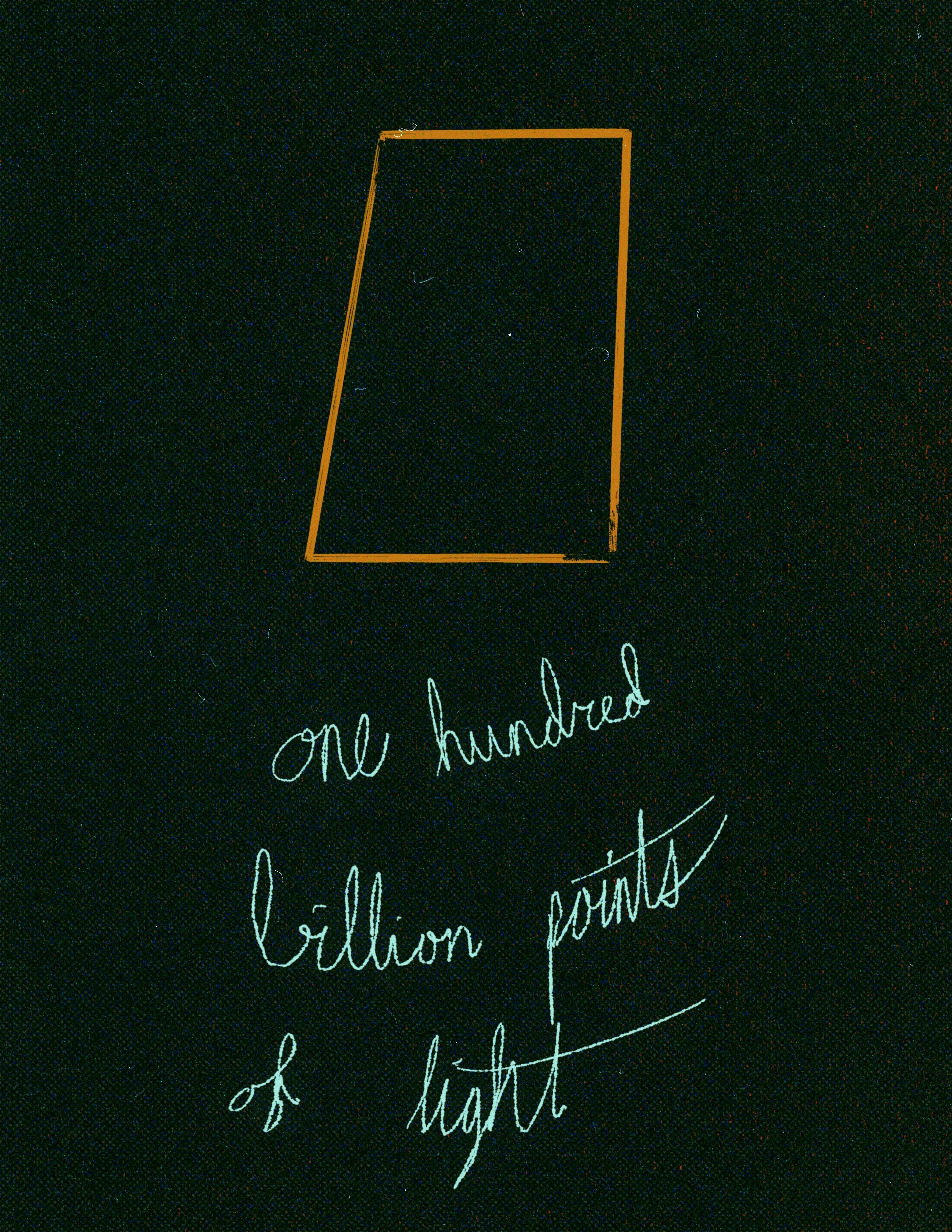
“One Hundred Billion Points of Light” was simply one of those phrases that got stuck in my head. My mind spends a lot of time running on autopilot—at work, around friends, while I'm making things—and sometimes words or phrases just echo underneath everything else. I don't really experience it as an intrusive thought. It's closer to breathing. Repeating something internally gives my mind a rhythm and somehow helps me pay attention to everything happening around me.
The phrase wasn't invented to explain the record. It was just there while the record was becoming itself.
When somebody finishes listening, I don't necessarily want them to arrive at some grand conclusion about what all of it means.
I'd rather they feel like they spent an overcast day at the Santa Cruz Beach Boardwalk with a group of friends and somebody they had a crush on. They rode the cable car together and kept trying to work up the courage to ask that person out, but could never find the right words. So instead they stared out at the ocean.
And for a little while they were at peace with not being whole, without feeling empty.